
Court Rulings Have Shaped Landscape for FDCPA Rulemaking

Ronald Canter, Law Offices of Ronald S. Canter, LLC

Ronald Canter,
Law Offices of Ronald S. Canter, LLC

In 1977, Congress passed the Fair Debt Collection Practices Act to regulate the conduct of third party collection agencies. The adage that “every vote counts” serves as the backdrop to the passage of this federal law. A little know historical footnote documents that the FDCPA passed the House of Representatives by a one vote margin (198-197). Now, consumer attorneys filed more than 10,400 FDCPA lawsuits against collection agencies and collection attorneys in federal courts in 2013; and experts predict that federal courts will see more than 12,000 cases this year.

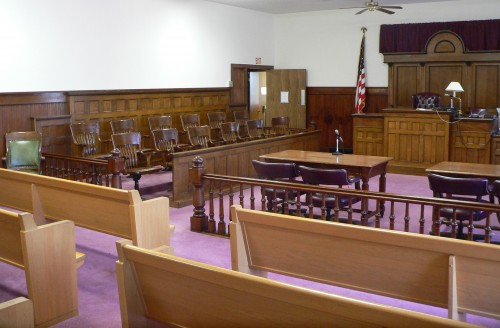
Several important court decisions led to the explosive growth of lawsuits against debt collectors and will undoubtedly shaped the contours of what the Consumer Financial Protection Bureau will propose as administrative regulations interpreting the FDCPA. Any discussion about the expansive reach of the FDCPA must take into account these five decisions:

A COLLECTION NOTICE CAN BE DECEPTIVE IF IT FAILS TO DISCLOSE THAT THE DEBT IS TIME BARRED
McMahon v. LVNV Funding, LLC, 744 F.3d 1010 (7th Cir. 2014)
This decision held that a dunning letter offering to settle a claim without litigation could state a claim under the FDCPA where the debt was no longer legally enforceable due to the expiration of a statute of limitations. It is likely anticipated that the CFPB will propose rules requiring collectors to make specific disclosures when attempting to collect debts that are beyond the statute of limitations.

LAWYERS ENGAGED IN LITIGATION ARE SUBJECT TO THE FDCPA
Heintz v. Jenkins, 514 U.S. 291 (1995)
The Supreme Court held that the repeal of the attorney at law exemption passed by Congress in 1986 was intended to regulate conduct by lawyers engaged in litigating consumer debts. This decision greatly increased the number of lawsuits against collection lawyers based on purported false statements, misleading representations and unfair practices relating to debt collection lawsuits in state courts.

VERIFICATION OF DEBT IS NOT A CUMBERSOME PROCESS
Chaudhry v. Gallerizzo, 174 F.3d 394 (4th Cir. 1999)
The Fourth Circuit Court of Appeals held that a collector’s obligation to verify a debt involves nothing more than the collector confirming in writing that the amount being demanded is what the creditor claims is owed and that a collector is not required to keep detailed files of the alleged debt. This decision has been followed by other Circuit Courts including the Ninth Circuit in Clark v. Capital Credit & Collection Services, Inc., 460 F.3d 1162 (9th Cir. 2006) and the Eighth Circuit in Dunham v. Portfolio Recovery Associates, LLC, 663 F.3d 997 (8th Cir. 2011). These decisions defining a collector’s limited duty in providing verification of a debt may gave way to a more specific verification process in propose CFPB rules.

A SETTLEMENT LETTER CAN BE DECEPTIVE AND MISLEADING
Goswami v. American Collections Enterprise, Inc., 377 F.3d 488 (5th Cir. 2004)
This decision held that a collector who offered to settle a debt at 30 percent discount provided the claim was paid in within 30 days was false and deceptive where the creditor had provided settlement authority with no specific time limit. This decision resulted in many collection agencies being required to rewrite their settlement offers to either make the offer open-ended and/or to use other qualifying language so that the settlement offer would not be deemed a deceptive communication.

THE “IN WRITING” DISPUTE PROVISION IN SECTION 1692G IS SUBJECT TO DIFFERING COURT INTERPRETATIONS
Graziano v. Harrison, 950 F.2d 107 (3rd Cir. 1991)
In this case, the Third Circuit Court of Appeals discussed the two dispute mechanisms under 15 U.S.C. § 1692g. The first provides that if a consumer disputes a debt in writing within 30 days, the collector must obtain verification of the debt and provide that verification to the consumer before proceeding with further collection. Second, a collector has the right to assume a debt valid unless the consumer disputes the debt within 30 days after the initial notice. The Graziano case held that all disputes needs to be in writing. Other Circuit Courts of Appeal have disagreed with this decision, holding that if a consumer orally disputes a debt within the 30 day period, then the collector cannot assume the debt valid – even in the absence of a written dispute. Se,: Clark v. Absolute Collection Service, Inc., 741 F.3d 487 (4th Cir. 2014), Hawks v. Forman, Hawks, Elizdes & Ravin, LLC, 717 F.3d 282 (2nd Cir. 2013) and Camacho v Bridgport Fin., Inc., 430 F.3d 1087 (9th Cir. 2005). These conflicting decisions provide one area of the law where a CFPB interpretation may clarify exactly what language must appear in a §1692g notice.

Given these five legal precedents, what do you think are five directives the collection industry can expect from the CFPB as it looks to overhaul the FDCPA? Leave your feedback in the comments!

Ronald Canter is the founding member of The Law Offices of Ronald S. Canter, LLC of Rockville, Maryland. Join Mr. Canter, Kim Phan of Ballard Spahr and Anita Tolani of Weinberg, Jacobs & Tolani at ARM-U (October 14-15 in Washington, DC) for a panel discussion of what the regulatory future looks like for debt collectors – including the huge role the CFPB will play – and how agencies can prepare for the future right now. This exclusive event will bring together senior compliance and operations officers, collection attorneys and HR/training experts, and allow them to learn from each other, discuss pitfalls and identify areas of improvement.            


Court Rulings Have Shaped Landscape for FDCPA Rulemaking
http://www.insidearm.com/daily/collection-laws-regulations/court-rulings-have-shaped-landscape-for-fdcpa-rulemaking/
http://www.insidearm.com/feed
insideARM


Accounts Receivable Management

Understanding the TCPA: Maximizing Consumer Outreach & Mitigating Risk

Unsure what impact the new Telephone Consumer Protection Act’s (TCPA) regulations will have on your operations and risk mitigation efforts?

In this whitepaper from Neustar, cut through the clutter and get straight-forward answers for how to navigate the bumpy regulatory landscape while driving business and operational value.

Download the whitepaper now to learn:

  • What businesses need to know about TCPA, including credit and collection agencies

  • How new TCPA regulations that took effect on October 16, 2013 affect you

  • Best practices for mitigating your TCPA compliance risk

  • How to improve operational efficiency and increase right-party contact rates

Understanding the TCPA: Maximizing Consumer Outreach & Mitigating Risk

http://www.insidearm.com/opinion/understanding-the-tcpa-maximizing-consumer-outreach-mitigating-risk/
http://www.insidearm.com/feed
insideARM

Accounts Receivable Management

DBA International Sets the Standard for Receivables Management

DBA International announced an encapsulating new tagline today, “Setting the Standard for Receivables Management,” reflecting the association’s mission to uphold the highest and most comprehensive industry standards and recognition that our members are committed to protecting consumers and the industry. The new theme, which represents the vision of the DBA membership, will be integrated into all DBA materials and communications beginning this month.

“Setting the Standard for Receivables Management” evokes the forward-looking and optimistic momentum of DBA International’s members and our recently adopted certification program. Members felt strongly that the new tagline speak to the value of DBA International’s certification program which has set the standard for the industry. The new tagline invites members, consumers and regulators on a journey to define and achieve the highest standards by integrating best business practices with consumer protections and education.

“Setting the Standard for Receivables Management is aspirational and inclusive,” said Bryan Faliero, president of the DBA Board of Directors. “The phrase conveys a commitment to the receivables industry and acknowledges the pride our members feel.”

DBA’s highly regarded Certification Program demonstrates this commitment to uniform industry standards and established best practices. When a company or individual becomes certified, they are demonstrating a commitment to operating pursuant to the highest ethical standards, and abiding by the program’s standards of excellence.

The debt buying industry is an important segment of the nation’s credit-based economy. Credit is a part of our national fabric, from the loans that make receiving a college education, buying a car, or purchasing a home possible, to the revolving credit that makes smaller purchases convenient.

Debt buyers and the collection industry play an integral role within the complex credit based economy. Upholding the highest standards in receivables management protects consumers by ensuring they continue to have access to credit at affordable interest rates which would not otherwise exist if defaults on credit were uncollectible. These comprehensive standards also enhance consumer purchasing power by mitigating the losses that businesses would otherwise have to pass on in the form of higher prices.

DBA International is committed to continuing our collaborative efforts with regulators, legislators, consumer groups, and other industry participants at both the state and federal level to ensure that new consumer protections are adopted when appropriate and existing laws are strengthened and modified to reflect modern realities without impairing the vital role of the debt buying and collection industry.

Certification is a requirement for DBA International membership. More information is available at http://www.dbainternational.org/certification/certification.asp.

DBA International is the nonprofit trade association that represents the interests of public and private companies that purchase performing and nonperforming receivables on the secondary market. Founded in 1997 by a small group of companies to provide a forum to advance best practices within the industry, today DBA has grown to represent over 500 companies. DBA provides its members with networking, educational, and legislative advocacy opportunities through an annual conference, an executive summit, regional seminars, state and regional committees, newsletters, webinars, teleconferences, and other media. DBA maintains a code of ethics and a national certification program that promote uniform industry standards of best practice which member companies must comply with in order to maintain membership. DBA is headquartered in Sacramento, California.

DBA International Sets the Standard for Receivables Management
http://www.insidearm.com/daily/debt-buying-topics/debt-buying/dba-international-sets-the-standard-for-receivables-management/
http://www.insidearm.com/feed
insideARM

Accounts Receivable Management

Squaretwo Financial Renames Commercial Operating Business to Better Reflect Approach Towards Small Businesses

SquareTwo Financial, a leader in the $100 billion asset management and recovery industry, today announced that the company has renamed its operating unit that helps small business owners find practical solutions to their unsettled debt obligations. Fresh View Solutions, formerly named CACSI, is a subsidiary of SquareTwo Financial that works with small businesses to create payment arrangements appropriate for each customer’s situation.

Fresh View Solutions is built on the philosophy that every customer situation is different, and the company’s first priority is to create fair and tailored payment solutions for each and every commercial customer. Fresh View Solutions will adhere to SquareTwo Financial’s “Fair Square Promise,” the company’s pledge to treat all customers fairly and with respect.

“At Fresh View Solutions, we understand that every situation is unique. That is why we take a fresh view toward debt resolution,” said Mark Erickson, senior vice president of SquareTwo Financial’s commercial division. “We understand that many small business owners struggle financially at some point, and we are committed to helping our small business customers get back on their feet by working with them to restructure and repay their delinquent financial obligations.”

“Small businesses are the backbone of the American economy, and working with small business owners and their customers is an important part of our overall business strategy,” said Paul A. Larkins, president and CEO of SquareTwo Financial. “We plan to increase our efforts within the small business sector, and we’re excited to move forward with a new name that better reflects our commitment to this important market.”

For more information about Fresh View Solutions, visit www.freshviewsolutions.com. For more information about SquareTwo Financial, visit www.squaretwofinancial.com.

SquareTwo Financial is a leader in the $100 billion asset recovery and management industry. Through its award-winning technology, industry-leading security and compliance practices, SquareTwo Financial creates a more effective way for companies and consumers to resolve their debt commitments. Lenders in the Fortune 1000 trust SquareTwo Financial to manage their debt portfolios. In all of its recovery efforts, SquareTwo Financial is committed to delivering the FAIR SQUARE PROMISE, the company’s pledge to treat each Customer with fairness and respect. SquareTwo Financial is based in Denver, Colo. Visit www.squaretwofinancial.com for more information.

Squaretwo Financial Renames Commercial Operating Business to Better Reflect Approach Towards Small Businesses
http://www.insidearm.com/daily/commercial-b2b-receivables/commercial-debt-collection/squaretwo-financial-renames-commercial-operating-business-to-better-reflect-approach-towards-small-businesses/
http://www.insidearm.com/feed
insideARM

Accounts Receivable Management

POLL: What Will Be the CFPB’s First Move in Overhauling the FDCPA?


Take Our Poll

How can you know where you’re going if you don’t know where you’ve been? Ronald Canter gave the FDCPA some courtroom context in a recent blog. Join Canter, along with Kim Phan of Ballard Spahr and Anita Tolani of Weinberg, Jacobs & Tolani, at ARM-U (October 14-15 in Washington, DC) for a panel discussion of what the regulatory future looks like for debt collectors – including the huge role the CFPB will play – and how agencies can prepare for the future right now.

POLL: What Will Be the CFPB’s First Move in Overhauling the FDCPA?
http://www.insidearm.com/uncategorized/poll-what-will-be-the-cfpbs-first-move-in-overhauling-the-fdcpa/
http://www.insidearm.com/feed
insideARM

Accounts Receivable Management

Looking for ‘Widespread’ Abuse of Consumers in Debt Collection

Joann Needleman

Joann Needleman

We are bombarded daily with articles, blogs and more about the “widespread” abuse of consumers by the debt collection industry. The Consumer Financial Protection Bureau was created to ensure that such pervasive abuse is curtailed or otherwise stopped all together. Don’t get me wrong, nobody and I mean nobody, should be treated unfairly or with any lack of respect, especially in times of financial distress.  But is there really widespread abuse, or just cries of a small minority with powerful voices to back them up?

Take for instance the CFPB complaint portal for debt collection, a helpful tool to align consumers with creditors and debt collectors in order to resolve complaints. The CFPB began receiving complaints in July 2013. The bureau says that they have handled 30,300 debt collection complaints. The complaints became public in November but to date, only 11,000 or so complaints have been viewable to the public.

Putting transparency aside for a moment, by the CFPB’s own admission, in 2013 approximately 30 million individuals, or 14 percent of all American adults, had debt in or that was subject to the collections process. This translates to approximately .001 percent of all consumers in debt collection filing a complaint with the CFPB about debt collection. Yet according to the CFPB, consumers are being “hounded” by debt collectors, especially for debts that are not owed.

A deeper dive into the public database of 11,000 complaints shows that only 25 percent involved debts consumers reported to be “not theirs,” or 2,750 complaints. Of those 2,750, the CFPB reports that 77 percent of the complaints were closed with explanation, meaning the debt collectors provided the information to the consumers to show that the debt in fact did belong to them. Further, when the debt collector did respond with information about the consumer’s debt, 81 percent did not dispute the debt collector’s response. To put this all into perspective, the CFPB estimated that it will have 1,359 full-time employees as of its fiscal year of 2013; that is two full-time employees for every disputed “zombie” debt by a consumer.

Several consumer organizations also speak in extreme superlatives and the press has helped them get their way. For years they have screamed that consumers are consistent victims of abusive debt collection, including abuse in the court system by attorneys engaged in debt collection litigation. Yet to date no reliable statistics have been brought forth.

All players in the debt collection industry undertook massive data gathering efforts in response to the CFPB’s Advance Notice of Proposed Rulemaking. The entire industry found a dispute rate of anywhere between one to three percent. [i] This does not suggest a pervasive problem.

Most recently a coalition of consumer organizations wrote a letter to Congress in opposition to HR 2892, which would exempt attorneys from the definition of debt collector under the Fair Debt Collections Practices Act (FDCPA) when engaged only in litigation activity. In support of their opposition, this coalition provided 12 examples of conduct, with some case citations, said to be representative of the “millions of consumers [who] have been victims of abusive debt collection through the courts…” None of the cases cited made any affirmative determination of any wrongdoing by any attorney when engaged in debt collection litigation.

Finally, the Center for Responsible Lending just issued the report, Debt Collection and Debt Buying: The State of Lending in America and the Impact on US Households. Like its counterparts, words like “abuse” are prevalent throughout the report. However, CRL undertook no study of its own and basically rehashed law review articles and FTC reports dating back to 2008 or even earlier.  CRL referred to the FTC’s 2013 Report, The Structure and Practices of the Debt Buying Industry, to support its claim that unreliable and inaccurate information was being used by the debt buying industry in its debt collection practice. However CLR completely ignored the underlying conclusion of the FTC: “The [debt buying] study does not permit any conclusions to be drawn as to the prevalence of errors or inaccuracies in debts generally sold ‘as is.’”

I am certainly not suggesting that the complaints by consumers regarding debt collection should otherwise be ignored or that the debt collection industry, like any industry, must weed out the bad apples for the sake of the good ones. But widespread abuse? The irony here is that consumer advocates, who have the ear of the CFPB, the progressive side of Congress and the all-important media, bang the drum touting collection industry incompetence and willingness to cut corners when they themselves are no better in their presentation.

The numbers suggest a very small segment of the population has not had positive experiences with the debt collection industry, and certainly that segment should not be ignored. The greater harm however is to treat that small minority as the majority when creating policy. This poses a greater risk to the general population and in the end does not help the minority, the group that the policy was supposed to protect.

[i] http://c.ymcdn.com/sites/www.narca.org/resource/resmgr/CFPB_Resources/NARCA_Comment(33)_-_CFPB-201.pdf, February 28, 2014; http://www.acainternational.org/files.aspx?p=/images/31323/aca-anpr-comments.pdf , February 28, 2014; http://dbainternational.org/memberalerts/ANPR-Response_022714.pdf , February 28, 2014;

This post originally appeared on the Consumer Financial Services Blog, run by ARM defense firm Maurice & Needleman.

Joann Needleman is Vice President of Maurice & Needleman, P.C., where she is the Managing Attorney of the firm’s Pennsylvania office. Joann has extensive litigation experience in state and federal courts, successfully defending creditors against claims brought under the Fair Debt Collection Practices Act, Fair Credit Reporting Act and, in Pennsylvania, under the Fair Credit Extension Uniformity Act. She provides counsel, consultation and litigation services to financial institutions, law firms and debt buyers throughout the country. Needleman also currently serves as the elected President of the National Association of Retail Collection Attorneys (NARCA).

Looking for ‘Widespread’ Abuse of Consumers in Debt Collection
http://www.insidearm.com/daily/collection-laws-regulations/collection-laws-and-regulations/looking-for-widespread-abuse-of-consumers-in-debt-collection/
http://www.insidearm.com/feed
insideARM

Accounts Receivable Management

Don’t Operate in the Dark! Part 2 of Important ARM Webinar Series Scheduled for May 20

Mike Ginsberg

Mike Ginsberg

As a professional in the accounts receivable management (ARM) industry, how do you keep up with the latest events and developments shaping the ARM industry? Perhaps you and other members of your team take time away from your office to attend industry conferences and trade shows. Your primary reason for attending might be to meet with current and perspective clients but while you’re there you find time to attend a couple of sessions to stay informed. Hopefully you are also plugged in to get your daily news and information fix from excellent resources like www.insideARM.com.

These are common ways for ARM professionals to stay informed but are they enough? Executives and management teams are challenged to determine the impact that today’s events will have on their own operation now and for years to come. Board members and investors who are not involved in day-to-day operations must also separate fact from fiction when it comes to making informed decisions. Where does everyone turn for answers?

To help you, your leadership team and your Board make informed strategic decisions on a real-time basis, Kaulkin Ginsberg’s CEO, Mike Ginsberg and Ontario System’s CFPB and ARM Compliance expert, Rozanne Andersen, have developed a four part thought leadership series for 2014 specifically designed for ARM executives. The next session is scheduled for May 20th at 2pm, click here to register

We encourage you and other members of your team to attend this 90 minute session and join Rozanne and Mike in their interactive discussion, addressing such critical topics as:

  • Update on CFPB Rulemaking – Where are we now?

  • Community Credit Grantors and Student Loans Expand While Financial Institutions Contract

  • New Requirements for the Collection of Healthcare Debt

  • Consumer Deleveraging Will Positively Impact Recoveries

  • You are a Vendor Too – Are You Prepared?

  • Managing Disputes Under the FCRA

  • M&A is Heating Up Again

  • Voice Drop Technology – Looking Under the Hood

  • Hot Ticket Item for the Collection Industry—Compliance Officers

  • For The Very First Time, a True Barrier-To-Entry is Forming in the ARM Industry

Participation in this webinar is free so you can have your entire leadership team participate. We hope you join us on the 20th.

Don’t Operate in the Dark! Part 2 of Important ARM Webinar Series Scheduled for May 20
http://www.insidearm.com/obs-in-focus/dont-operate-in-the-dark-part-2-of-important-arm-webinar-series-scheduled-for-may-20/
http://www.insidearm.com/feed
insideARM

Accounts Receivable Management

Ohio Debt Collectors Support Hiring of Military Veterans and Their Spouses

The Ohio Receivables Management Association is proud to announce its support of Hiring our Heroes, a national effort led by the U.S. Chamber of Commerce Foundation to encourage the hiring of military veterans and their spouses.

“We are excited to be involved in an initiative that helps achieve two very important purposes – to honor America’s heroes who have sacrificed so much for us by helping them find work, and to fulfill the vision to pair employers in the industry with qualified veterans,” said Ohio Receivables Management Association President Lee Jacobs.

According to national data, there are approximately 11 million veterans in the civilian workforce and the number is expected to increase due to returning veterans as a result of American troop drawdowns.

From an industry perspective, the Bureau of Labor Statistics projects employment in the collections industry to grow by 15 percent between now and 2022, adding more than 58,000 jobs. Further, US News & World Reports, citing a favorable industry outlook, recently placed bill collections as its 11th top job in business in 2014 and 57th out of top 100 overall.

A national survey by industry trade association ACA International and global consulting firm Ernst & Young indicates that third-party debt collectors influences the creation of 14,300 jobs in Ohio with a payroll of approximately $480 million.  ”Today’s collection agencies do more than just recover consumer debt; they are also valuable job providers, taxpayers, community volunteers and philanthropists, “said Jacobs.

The Ohio Receivables Management Association is a state Unit of ACA International, the comprehensive, knowledge-based resource for the credit and collection industry. Founded in 1939, ACA brings together more than 350,000 professionals representing third-party collection agencies, asset buyers, attorneys, creditors and vendor affiliates. ACA supports members through state and federal advocacy, training and resources.

Ohio Debt Collectors Support Hiring of Military Veterans and Their Spouses
http://www.insidearm.com/daily/debt-collection-news/debt-collection/ohio-debt-collectors-support-hiring-of-military-veterans-and-their-spouses/
http://www.insidearm.com/feed
insideARM

Accounts Receivable Management

Ohio Supreme Court Fines Collection Agency $282,500

The Ohio Supreme Court Wednesday ordered a collection agency to stop engaging in the unauthorized practice of law and fined the business and its owner $282,500.

The Court said that Derek Wooten, co-owner of collection agency Aaron, Derek, Carter & Steen (ADCS), a collections agency in Beachwood filed collection actions on behalf of those payday lenders and healthcare providers in municipal and common pleas courts, and personally signed the complaints in those courts. In August 2008, the Akron Bar Association notified Wooten that he was practicing law without a license and instructed him to stop negotiating claims for other individuals or corporations.

The Cleveland Bar Association submitted a complaint against Wooten and ADCS in 2012. The bar association included more than 100 pleadings that ADCS and Wooten had filed, mostly for check-cashing or payday-loan companies, in municipal and small claims courts in Rocky River, Bedford, Willoughby, Euclid, and Akron.

In a 5-2 decision Wednesday, the Supreme Court noted that Wooten and ADCS offered minimal cooperation in the investigation and pointed to the Akron Bar Association’s earlier order. The court determined that Wooten and ADCS committed 113 offenses, and they harmed the defendants in the lawsuits they filed.

The court, in a per curiam opinion, issued a civil penalty against Wooten and ADCS of $2,500 per offense, totaling $282,500. Wooten and ADCS are prohibited from signing pleadings, appearing in court proceedings, and engaging in mediation on behalf of any other party, and they must inform their clients that they are not authorized to file complaints or represent their clients in any court of law.

The court’s majority was joined by Chief Justice Maureen O’Connor and Justices Paul E. Pfeifer, Terrence O’Donnell, Sharon L. Kennedy, and Judith L. French. Justices Judith Ann Lanzinger and William M. O’Neill dissented, noting that they would instead impose a $25,000 civil penalty against Wooten and ADCS.

Ohio Supreme Court Fines Collection Agency $282,500
http://www.insidearm.com/daily/debt-collection-news/debt-collection/ohio-supreme-court-fines-collection-agency-282500/
http://www.insidearm.com/feed
insideARM

Accounts Receivable Management

Mortgage Delinquency Rate Continues to Drop; Non-Prime Borrowers Represent Bigger Share of New Loans

The mortgage delinquency rate (the rate of borrowers 60 days or more delinquent on their mortgages) declined for the ninth consecutive quarter to 3.61% at the end of Q1 2014, according to TransUnion’s latest mortgage report. The mortgage delinquency rate has declined more than 24% in the last year (down from 4.76% in Q1 2013), and it is now at the exact same level as it stood in Q2 2008.

“It’s encouraging to see mortgage delinquencies drop once again, especially during a period when mortgage originations slowed considerably,” said Steve Chaouki, head of financial services for TransUnion. “This trend in improved performance is driven in part by lenders working their way through the foreclosure backlog, along with continued conservatism in underwriting new mortgages.”

All 50 states and the District of Columbia experienced declines in their mortgage delinquency rates between Q1 2013 and Q1 2014.

The largest percentage declines continued to occur in states most impacted by the mortgage crisis – Arizona (down 37.8%), California (down 36.9%) and Nevada (down 34.0%). Both Arizona (2.81%) and California (2.80%), which just five years earlier had delinquency rates nearly double the national average, are now significantly lower than the rest of the nation.

TransUnion recorded 53.47 million mortgage accounts as of Q1 2014, up from 53.06 million in Q1 2013. However, there are more than 9.91 million fewer accounts as compared to the same period in 2008 (63.38 million).

Viewed one quarter in arrears (to ensure all accounts are reported and included in the data), new account originations dropped from 2.33 million in Q4 2012 to 1.39 million in Q4 2013. Interestingly, the non-prime population (those consumers with a VantageScore® 2.0 credit score lower than 700) did see an increase in their share of originations, rising from 4.98% in Q4 2012 to 7.21% in Q4 2013. The decline in refinance activity may have contributed to this outcome.  Despite the increase, the percentage of non-prime account originations remains well below those observed just six years ago (15.97% in Q4 2007).

“While still far from levels seen six years ago, non-prime borrowers are taking a larger share of new originations,” said Chaouki.  “We have not seen this in quite some time. Even so, mortgage underwriting remains conservative relative to the other primary credit products in the marketplace.”

TransUnion is forecasting that the downward consumer delinquency trend will continue into the second quarter of 2014, with mortgage delinquencies falling to approximately 3.40% by the end of June.

TransUnion’s forecast is based on various economic assumptions, such as gross state product, consumer sentiment, unemployment rates, real personal income, and real estate values. The forecast would change if there are unanticipated shocks to the economy affecting recovery in the housing market or if home prices begin to depreciate once again.

“We expect mortgage originations will once again pick up steam, and with continued tight lending standards, this should only help further bring down the mortgage delinquency rate,” added Chaouki.

This information is reported by TransUnion and is part of its ongoing series of quarterly analyses of credit-active U.S. consumers and how they are managing credit related to mortgages, credit cards and auto loans.

Mortgage Delinquency Rate Continues to Drop; Non-Prime Borrowers Represent Bigger Share of New Loans
http://www.insidearm.com/daily/debt-collection-news/mortgage-collections/mortgage-delinquency-rate-continues-to-drop-non-prime-borrowers-represent-bigger-share-of-new-loans/
http://www.insidearm.com/feed
insideARM

Accounts Receivable Management